
Bottom Shelf: Symbionts with Molly Stephenson
Welcome back to Bottom Shelf, Lowbrow’s very own art book club! After a month off, we’re back and in video! Though the written component of Bottom Shelf will always be central to what I want to do with it, the main reason I started Bottom Shelf (and conceptualised it years ago) was to connect with people about art over books. I’ve started off by inviting Molly Stephenson on to talk about her pick, Symbionts. I met Molly a few months ago when we were introduced by Bec at an opening and bonded over our shared love of annotating art books. I first came to know of Molly in 2024 when I bought one of her works from No Vacancy.
Molly is a Melbourne/Naarm-based artist whose practice spans across sculptural installation, assemblage and painting. Diaristic in nature, she collects and clusters discarded and found objects of significance to create haptic, three dimensional forms. Informed by hydro-feminism, new materialism and hauntology, her practice considers bodies, landscapes and material as porous inter-relational archives that act as resurfacing gestures of remembrance, care, and transformation. (view some of her art below and read her full bio here)
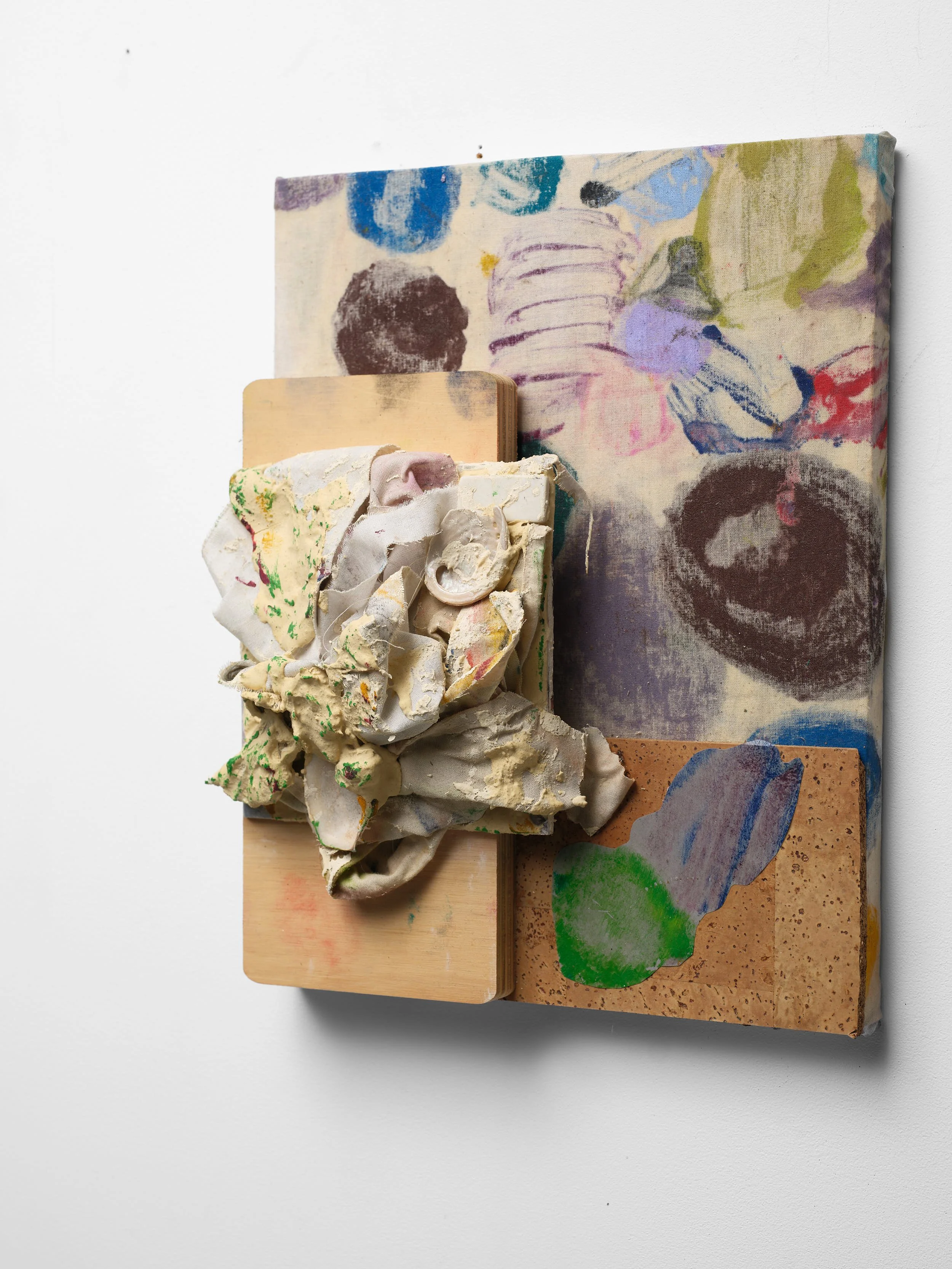
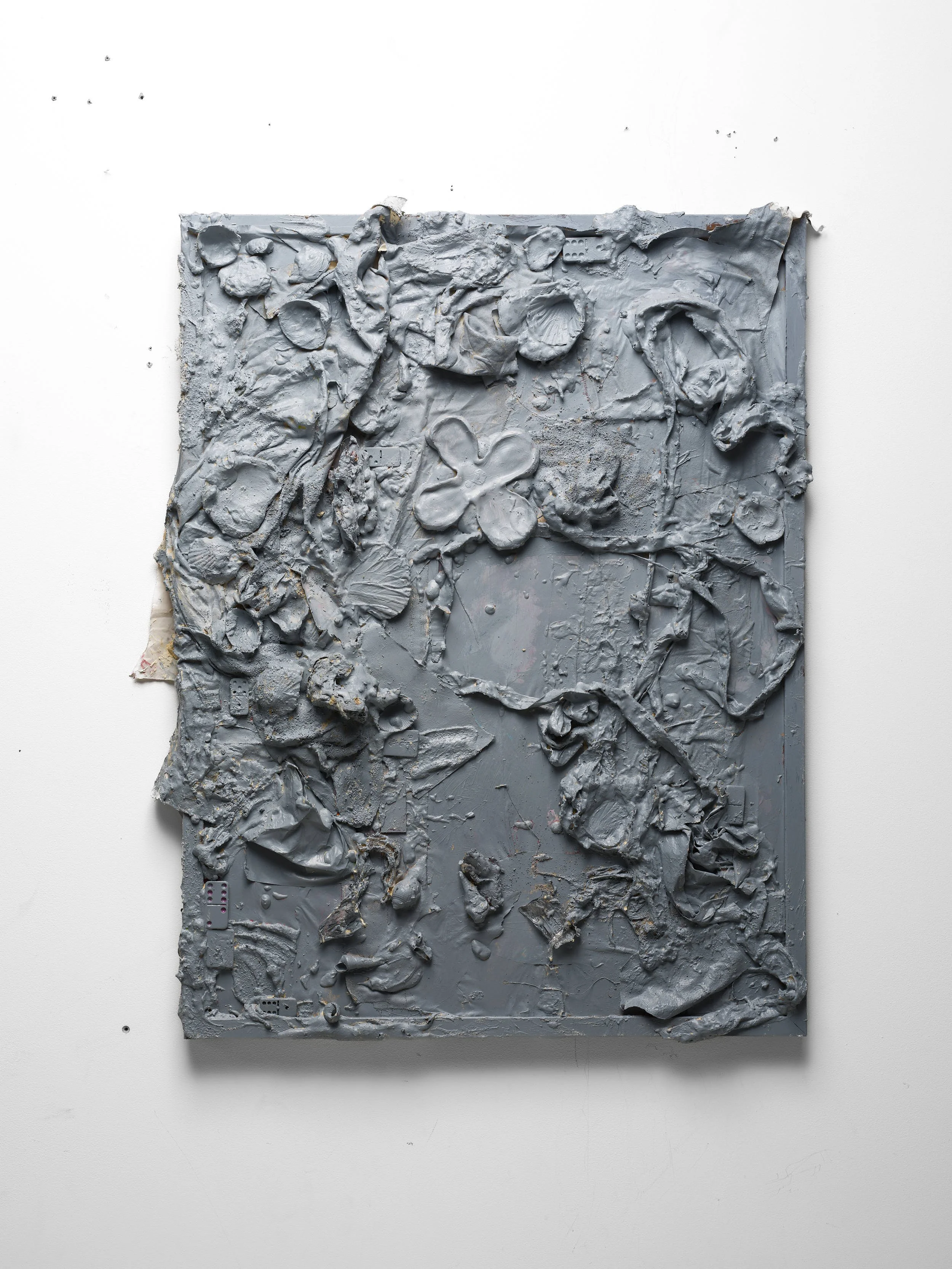
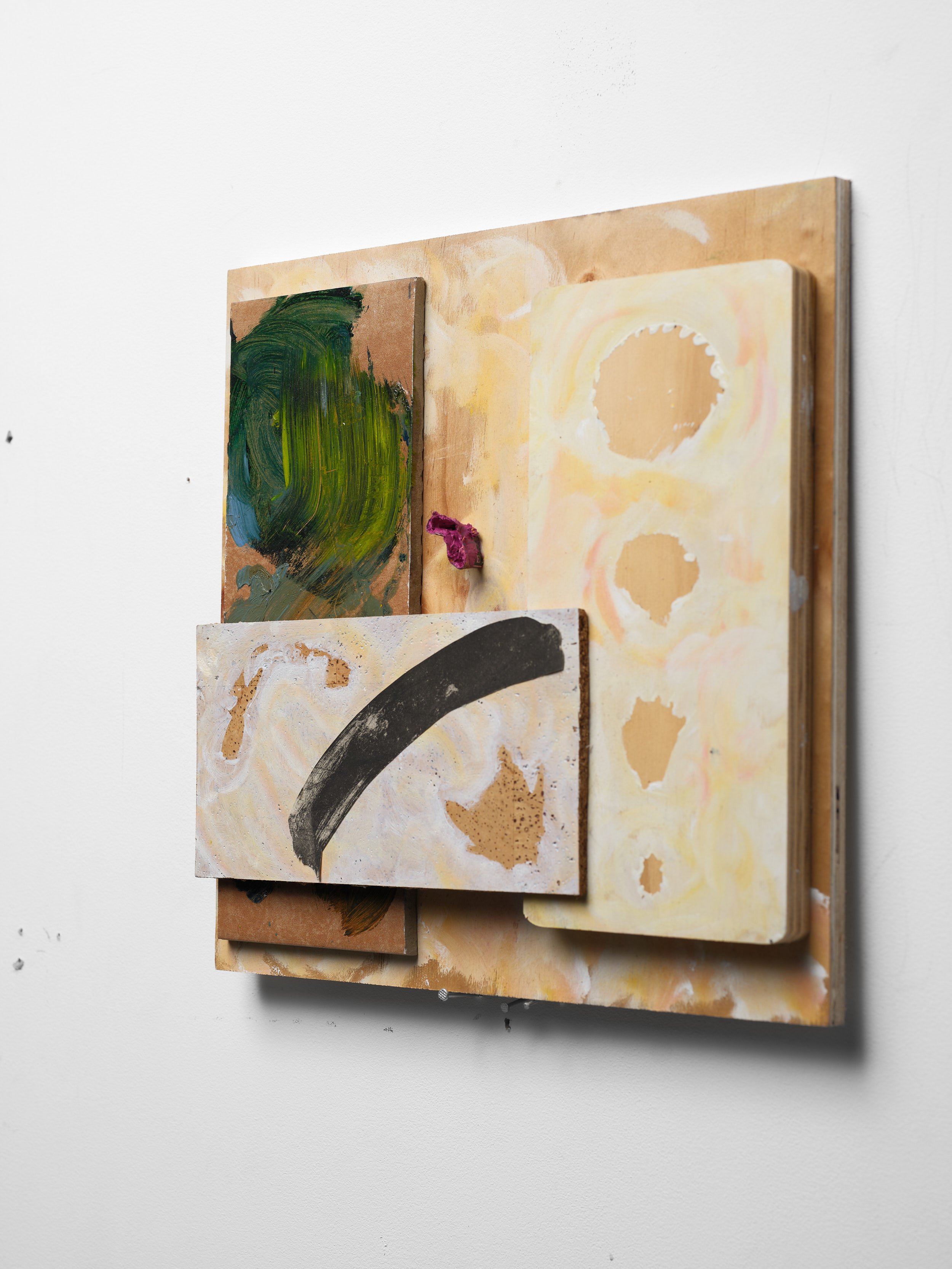
Symbionts is the exhibition catalogue that accompanied the 2022-2023 MIT List Center exhibition of the same name. Subtitled: Contemporary Artists and the Biosphere, the book documents the exhibition, but also includes writings on bioart and its place in the world, alongside essay inclusions by authors like Robin Wall Kimmerer and Sophia Roosth. If you read anything from this book, read the conversation Symbiosis, Reciprocity, and Indigenous Epistemologies. The discussion is expansive, offering views and realities that explore far beyond the art in the book.
If you listen to Molly and I, we discuss everything from the more than human nature of fungus, to the materiality of the book itself, to the OH&S waivers that must have gone into the exhibition. Molly discusses the diaristic nature of her art making, and the impact of natural and found materials on her practice. Coming away from that, I spent a while mulling over what questions I would ask an audience more broadly. In ways it was a hard read - I am far from knowledgeable about science, let alone anything about biology beyond vague recollections from Year 9. I thought mostly about how everything about this book, from its contents to its binding, made me think of Molly’s art. Her works wouldn’t traditionally be seen as bioart (which we touch on) but reading this and considering her influences, it definitely is. So I leave you with my questions and our reading list, which are as follows:
How does your conception of bioart change through your reading and engagement with the text?
Do you find any of the artists included outside of the definition that you hold for yourself?
What bioart have you engaged with?
How do you engage with the natural world in your art making?
Molly’s Further Reading
Lauries Cluitmans - On the Necessity of Gardening: An ABC of Art, Botany and Cultivation.
Bridget Crone, Sam Nightingale, and Polly Stanton - Fieldwork for Future Ecologies: Radical Practice for Art and Art-Based Research.
Philipp Dietachmair, Pascal Gielen, and Georgia Nicolau - Sensing Earth: Cultural Quests Across a Heated Globe.
Katya Garcia-Anton and Margarida Mendes - The Word for World Is Water: World-Building and Creative Resistance Through Liquid Alliances
Donna J Haraway - Staying with the Trouble: Making Kin in the Chthulucene
Sophie Haslinger - Seeds: Reclaiming Roots, Sowing Futures
Niekolaas Johannes Lekkerkerk and Eva Burgering - Worlding Ecologies: Art, Science and Activism Towards Climate Justice
Timothy Morton - All Art Is Ecological
Charlotte’s Further Reading*
Actual Reading
Staying With the Trouble - Donna Jeanne Haraway
Borne - Jeff Vandermeer
The Immortal Life of Henrietta Lacks - Rebecca Skloot
Artists (a few are from our discussion)
Isadora Vaughan
He Xiangyu (Cola Project)
Helen Chadwick
Jake Preval
Other
The Art of the Gum Tree - Potter Museum of Art (exhibition)
Long Weekend (Film, 1978)
*reading is a strong word