
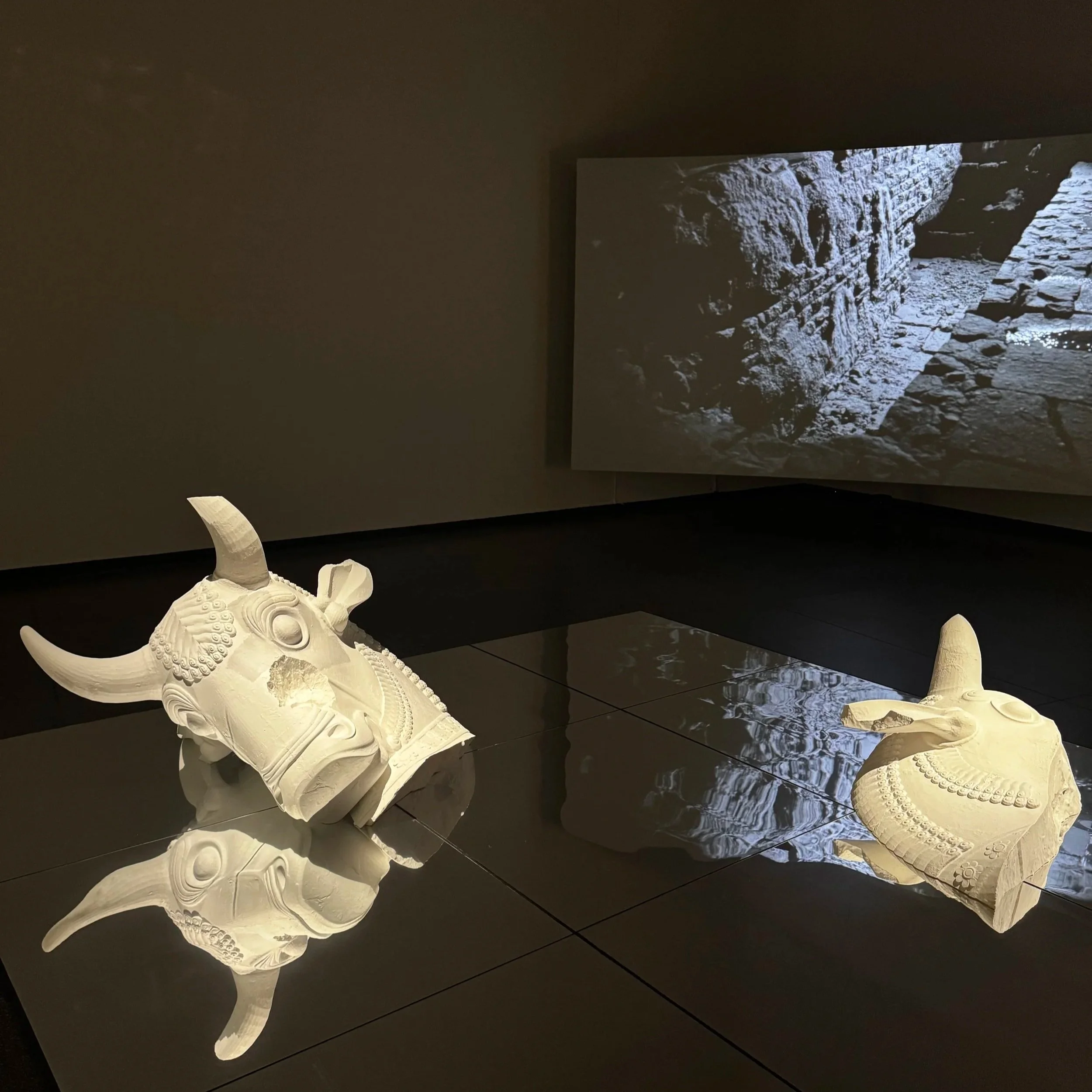
Lowbrow goes Highbrow: NEW26 - ACCA
I’m writing this feeling a little bit dusty after our first Lowbrow happy hour last night; a lovely evening meeting irl with some of the people we’ve written about and connected with online. You’ll be seeing more in person events from us moving forward (anyone keen for crit 24th October??) The night before our happy hour however, we were invited to ACCA’s NEW26 opening. Which feels like a big deal - recognition of our work and what we’re doing, the niche we’re filling with our writing and how it ties to ACCA’s newest show.

Lampropoulou, Morris, Power, and White - First Site Gallery
I went to First Site in search of Aleksander Morris’s Memory Tides. I got a taste of the show at this year's Emerging Artist Awards and was keen to see how it would come together in its entirety. I came away loving every moment of the four shows on view at the moment. The through line flowing through them makes it hard to focus on only one. In having them all together in that subterranean space - cool and dry where Melbourne couldn’t decide if it should pour or shine outside, tram rattles and street chatter filtering through the open door - the shows amalgamated, becoming more than their own islands of memory and grief.
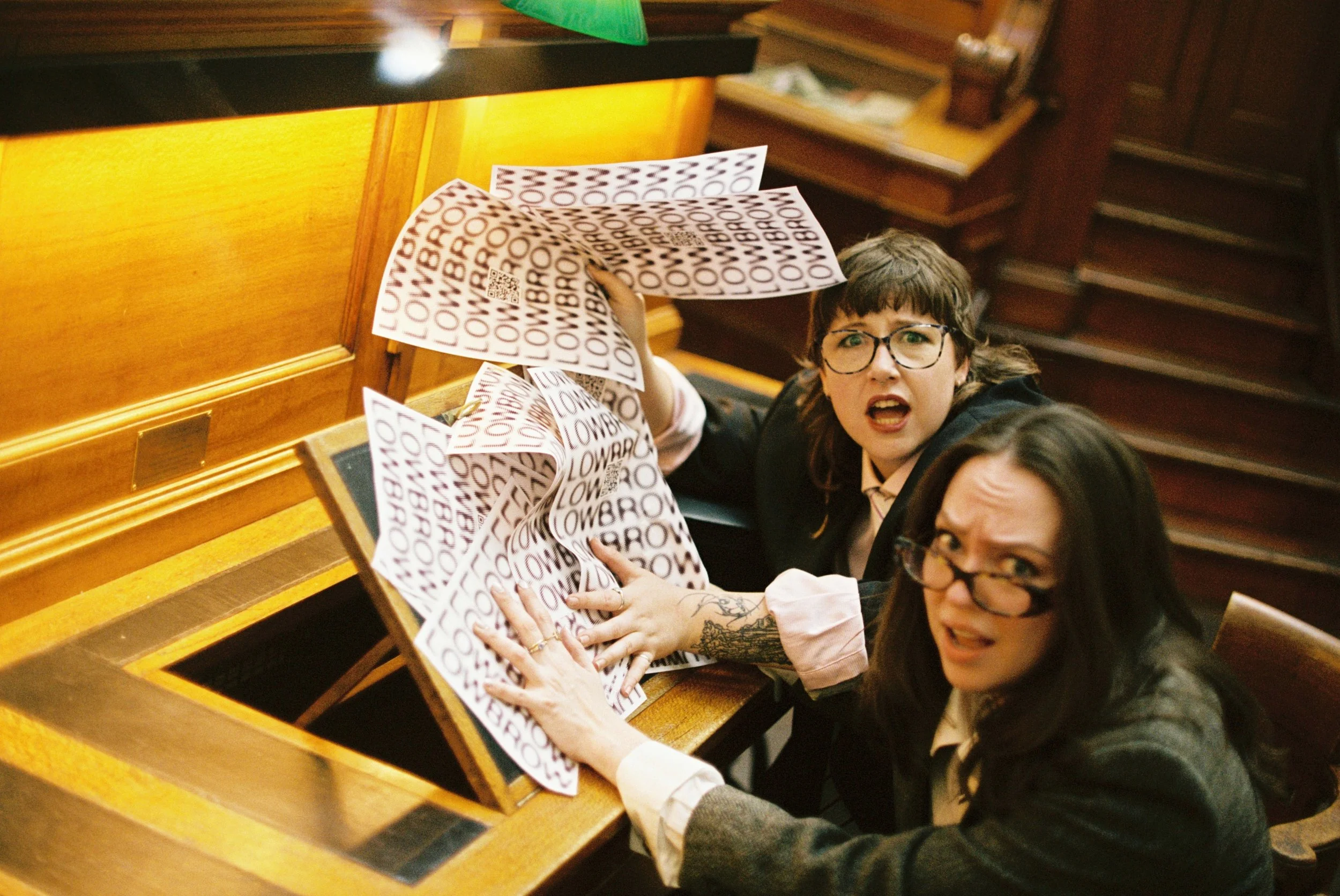
A very Lowbrow anniversary
We've been at it for a year (ish. like a high school couple, we have many anniversaries). Please enjoy our first video as we look back on writing about art, what criticism means to us, and what you can look forward to! I’m so proud of what we’ve achieved as Lowbrow so far, and we have so many exciting things still to come. Shout out to both of our Mums for being our biggest fans since day one, all of our wonderful supporters (including two ex-boyfriends), RMIT for bringing us together, and ourselves for making it happen week in week out.
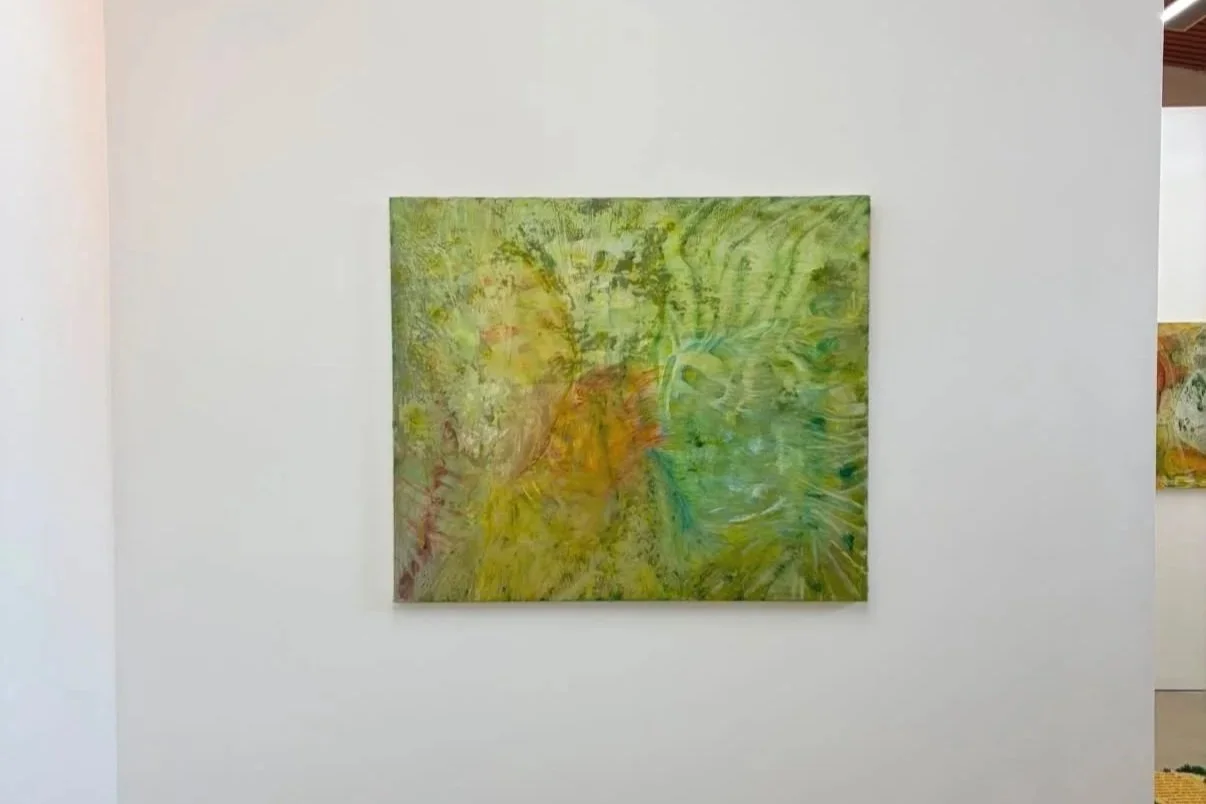
Weightless Matter - Oddaný
We went to see Weightless Matter at Oddaný directly after visiting the Affordable Art Fair. Let me tell you those two experiences couldn’t be further apart even if they tried. But I’m decidedly not going to tell you about the Kmart stock room we found at the exhibition building masquerading as “affordable”, instead I’m going to tell you about Ava Nunan’s poetic responses to Max Frances’ abstract paintings currently on show at Oddaný.
On TikTok as Art
In the absence of any true entry level gallery representation, some of Melbourne’s brightest young artists are best found on tiktok. In the hopes of exploring our truly lowbrow Melbourne art scene, please enjoy the first in what I hope is a series on the creators I am finding most inspiring on your most addictive short form video platform.
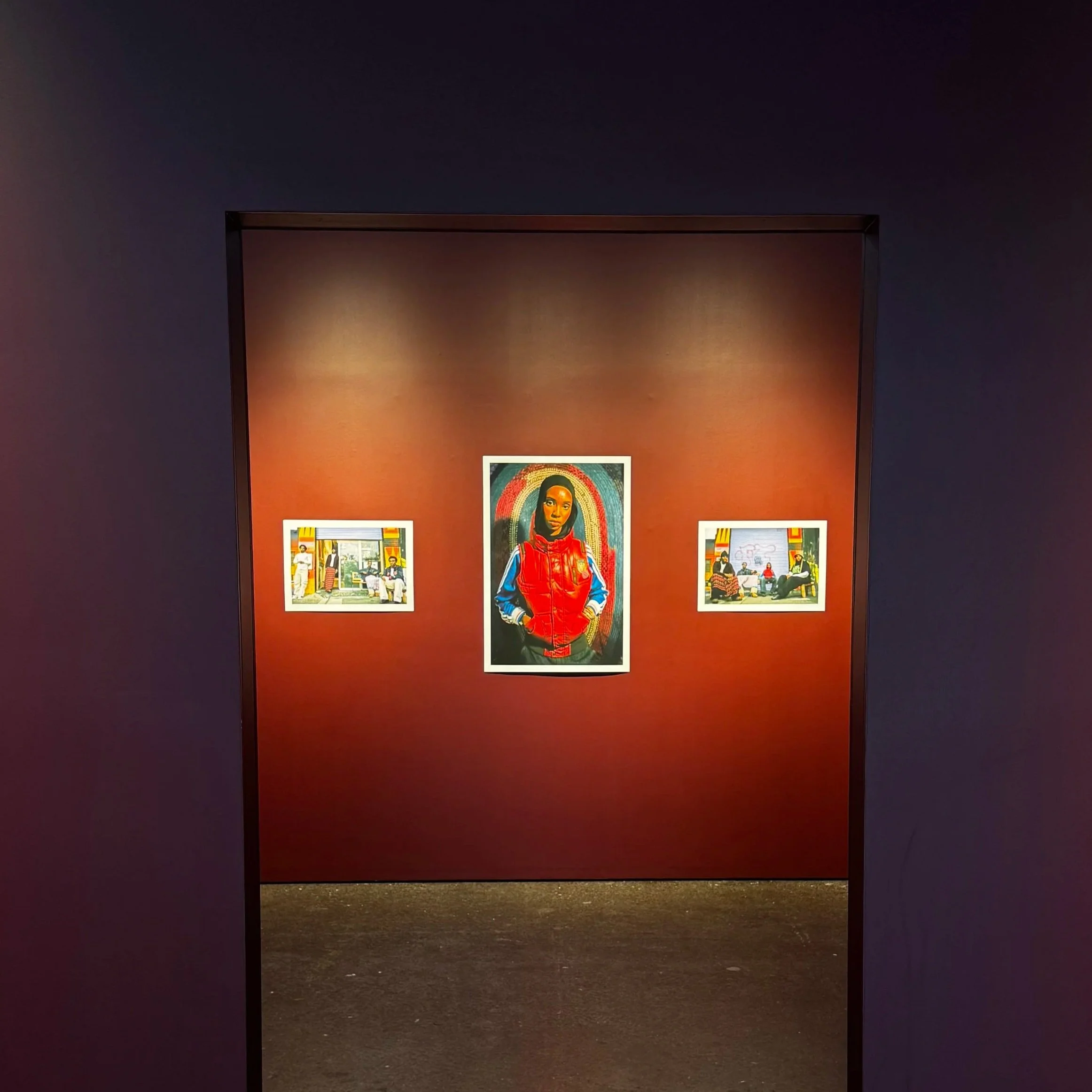
To Ourselves - Hillvale Gallery
Warsan Mohammed crafts a palpable narrative about longing and belonging in her solo show To Ourselves. Hillvale Gallery’s walls have been painted a deep burgundy for the occasion, bringing out the rich colours in the photos. In an age where we can hardly see what’s happening in our movies and TV shows with their dark and moody colour palettes, Mohammed’s warm deep colours are heartfelt and true. These are fantastically crafted images that have a depth that’s difficult to create in a still.
On the Road: Redbase, Puzzle Gallery, The Commercial, & Syrup Gallery
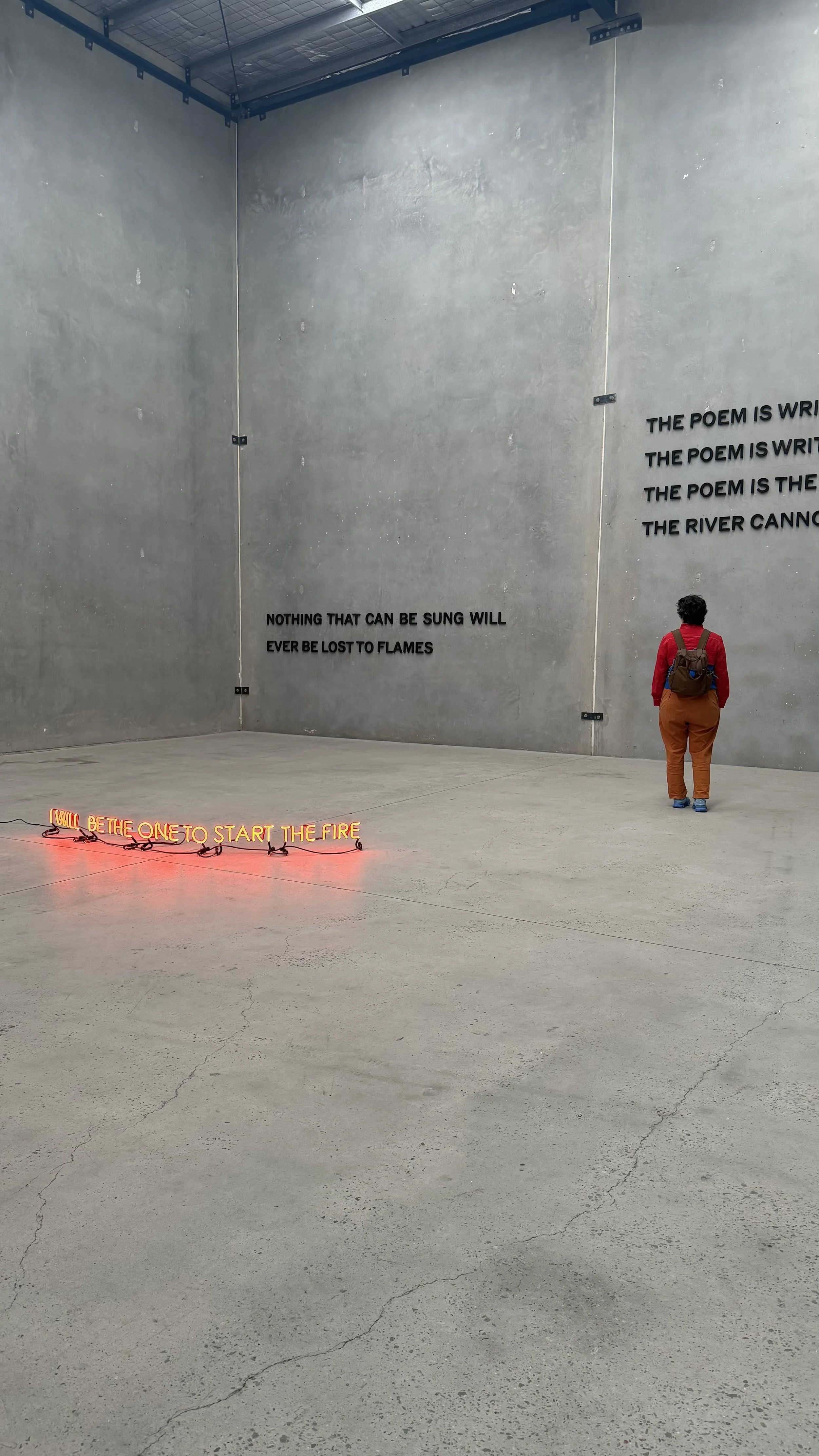
Sydney is not a city I spend much time in. Between the ever increasing cost of flights, and that a singular sandwich was going to run me $29, weekend sojourns are not often in the cards. The only thing that could get me on a Westjet flight at 645am is love – platonic, lifelong, very true love. And the promise of an extra day to see as much art as possible. I did go to the AGNSW (and loved the Young Archie and And Still I Rise) and of course White Rabbit, but we aren’t going (that) highbrow today.
Bottom Shelf: The Lonely City by Olivia Laing
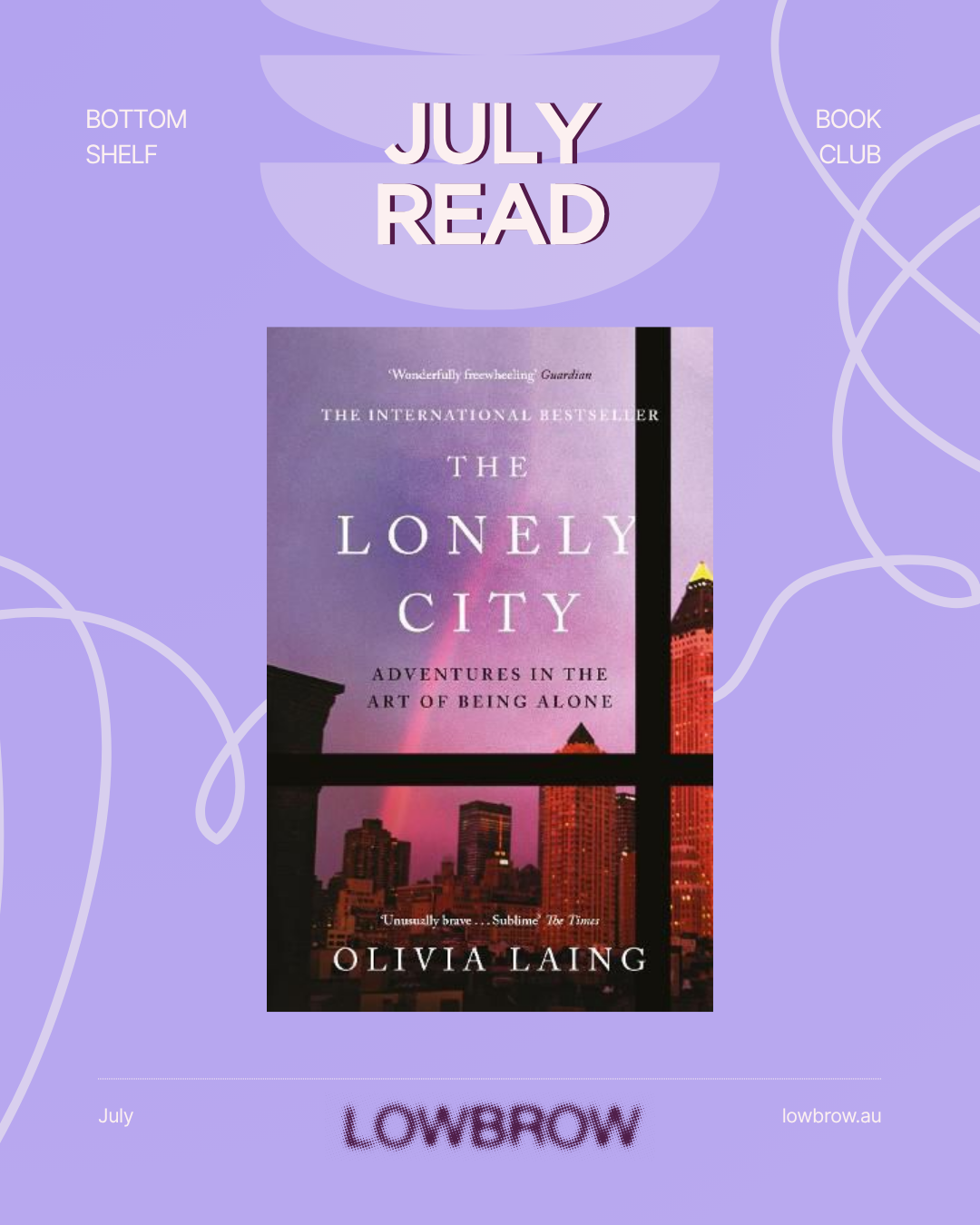
Olivia Laing is perhaps the author I recommend to those with a passing interest in art criticism, or just good writing. They capture the essence of things without bogging you down, expanding your understanding without talking down to you. It can be read straight through, or copiously noted and annotated, a starting point to go further. It’s the kind of writing that makes you a better reader, and a better writer in turn for that. Laing’s prose has turns of phrase I want to sink my teeth into: “the glowing clamshells of their laptops”, “the rest are simply openings, apertures”, “palliative to loneliness.” My list could be endless, my notes surely feel that way.
Barcode People, Ongwat, Bartolo-Kanellopoulos - KINGS
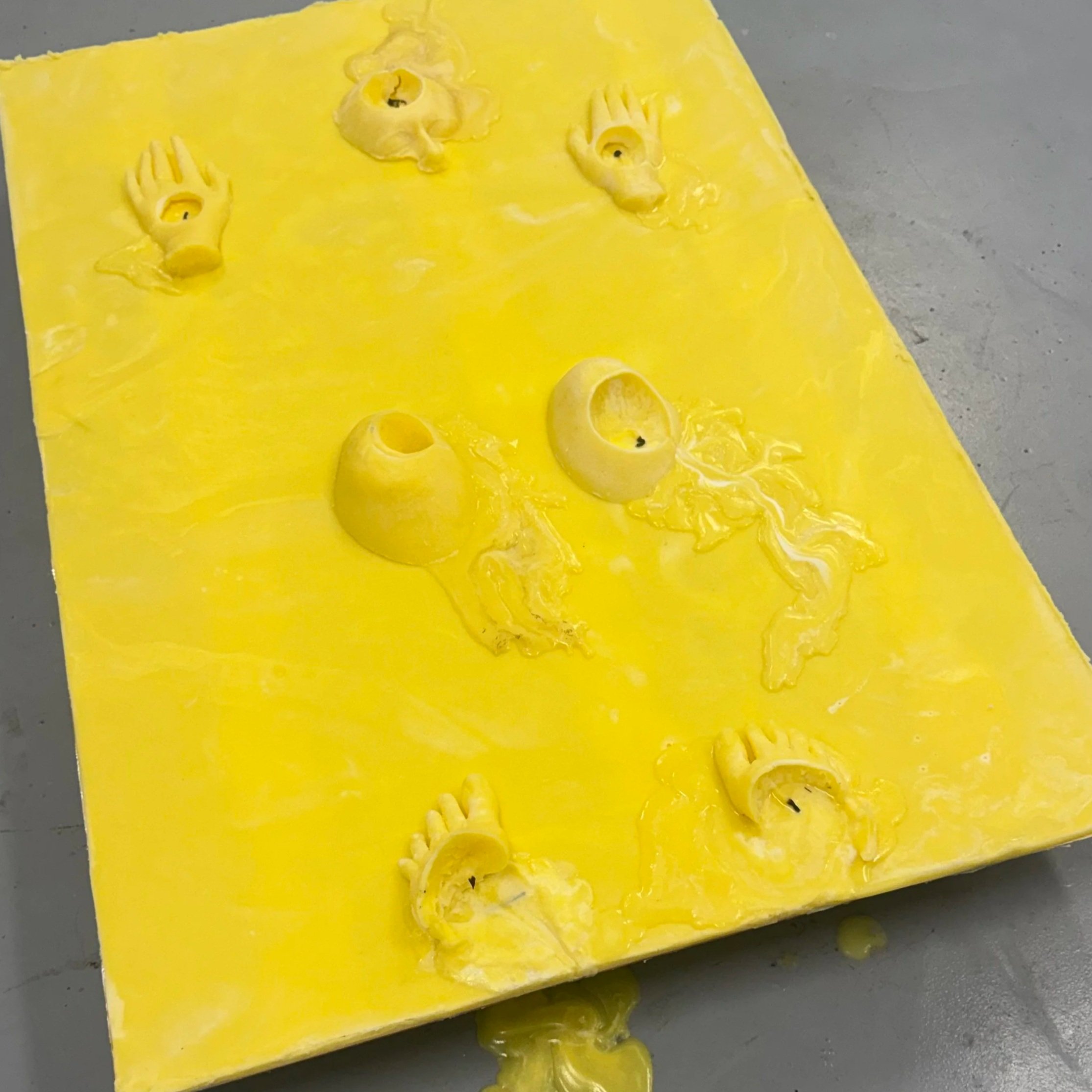
KINGS Artist-Run is a gallery we’ve sorely neglected here on Lowbrow for the year we’ve been publishing. The gallery, now solidly a West Melbourne staple, started 23 years ago in the CBD and has a rich history for being the proving ground for many artists who have gone on to be acquired by institutional collections, or come full circle as the lecturers now teaching the current group of exhibitors at art school. Currently on at KINGS are three shows; Pith and Seed curated by Gabriella Bartolo-Kanellopoulos, Surplus Pleasure: Load from last checked point.dat by Barcode People, and Do you remember? by Panisa Ongwat.
Are you lonely tonight? I’m so lonesome I could cry. - ACCA
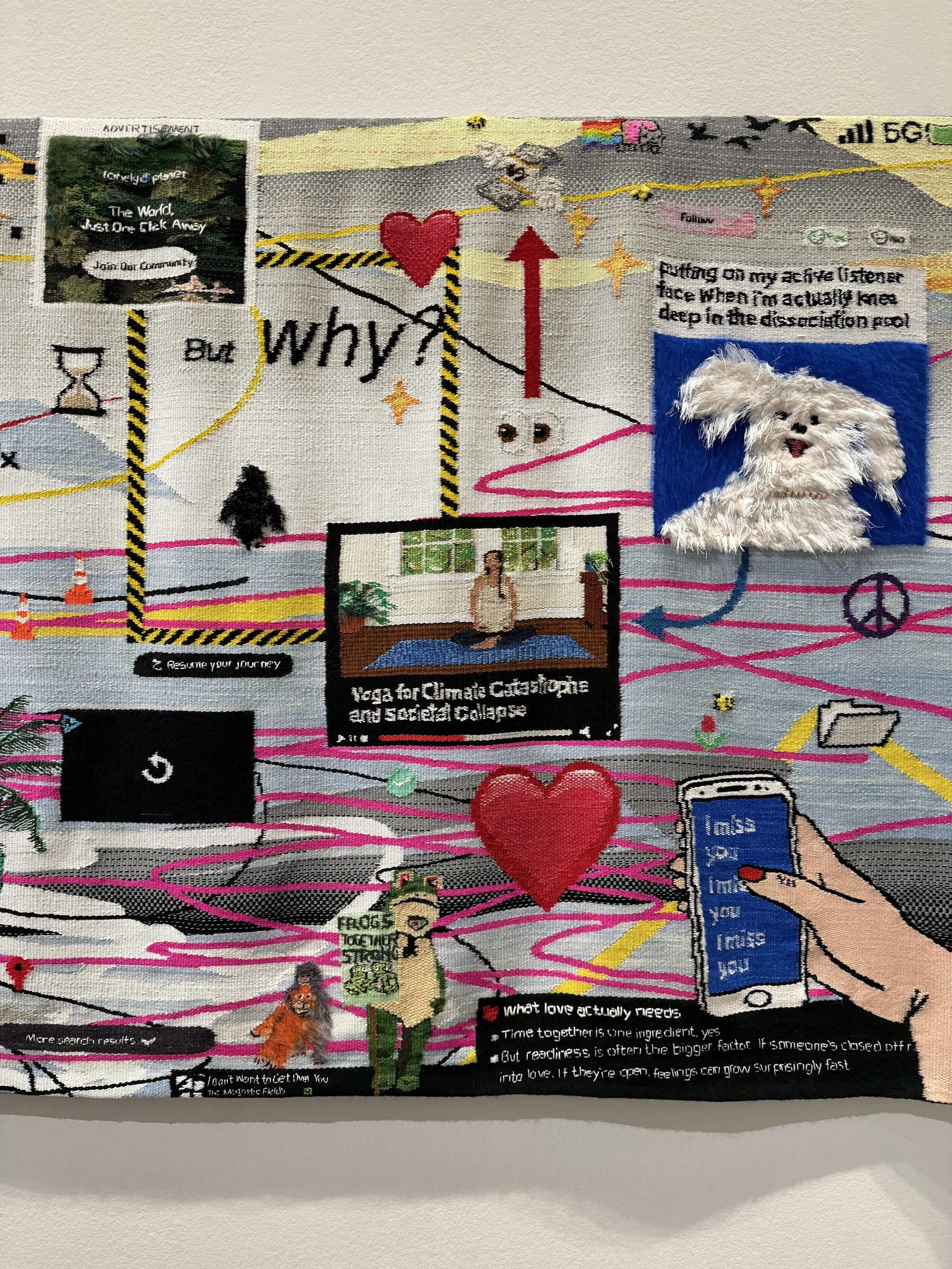
Beckoning you in is Pao Pao (the goldfish from Kelly Yu’s Endling) set against a white wall, blocking the exhibition from sight. Being on a plinth, against a stark wall, in a sparse tank, Pao Pao is loneliness in its most raw form. Once recovered from my aquatic animal-related existential crisis, I dutifully read the opening didactic (with a prerequisite Olivia Laing quote on loneliness supplementing the introduction) and finally faced the cavernous hall. ACCA feels almost supernaturally massive inside; a size and scale well suited to an exhibition capitalizing on loneliness, and the inherent connection we all have through those moments.
Emerging artist award 2026 - fortyfive downstairs
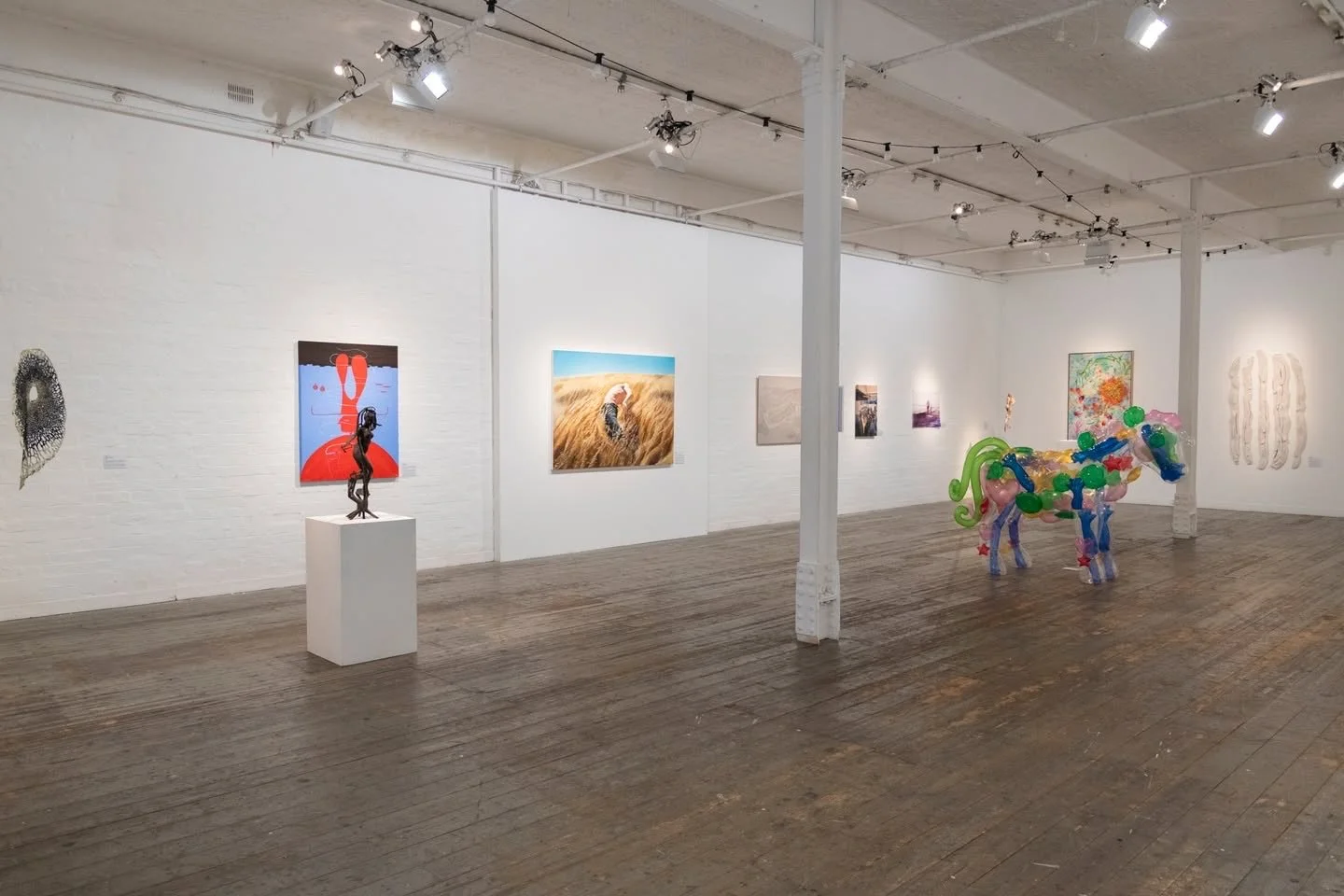
It feels very full circle to be writing about fortyfive downstairs’ 2026 Emerging Artist Award. Even though Charlotte was the one who covered the show last year, there’s a certain joy in Lowbrow being back at the same exhibition a year later. We’re growing and we’re evolving but we’re still focused where we want to be; on the emerging artists and their work. Equally, it’s gratifying to see some of the artists that I’ve written about before being included in this show: Ruinscape by Grace Mitchell which I wrote about in Held, Altered at No Vacancy, and also face of an orchid by Tara Howe which I wrote about in silently, childhood’s crystalline paths sank in the garden at Oddany gallery. That was the third ever post on Lowbrow, and now I’m seeing Howe’s work again over a year later, and loving even more on second viewing the delicate orchid made softly solid.
ENOKi, Hede, Kuo, & Puspasari - Counihan Gallery
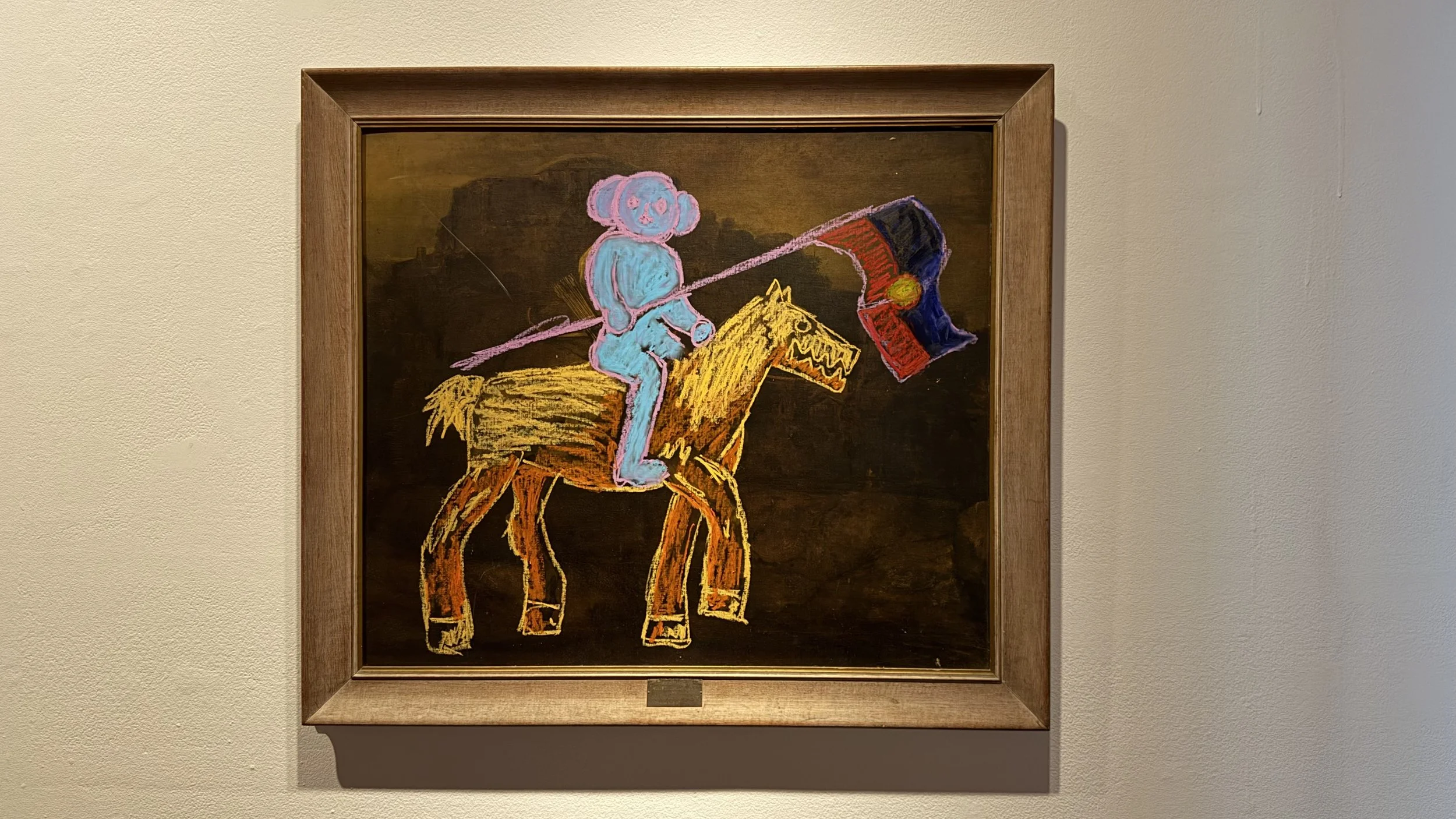
Counihan Gallery, on Sydney Road in the heart of Brunswick, is a council gallery for the people. Currently on view are four shows, each entirely their own: Colour My World by Joshua Hede, Not a fine artist, just a "fine" artist by Judy Kuo, Mulana by ENOKi, and Things I Carried Quietly by Nani Puspasari. The exhibitions did not feel connected, but they did not need to be. Counihan knows their space well enough that each holds its own, no encroaching or overshadowing, despite the airiness of the gallery.
Bottom Shelf: Black, White + Colour by Tim Dobbyn
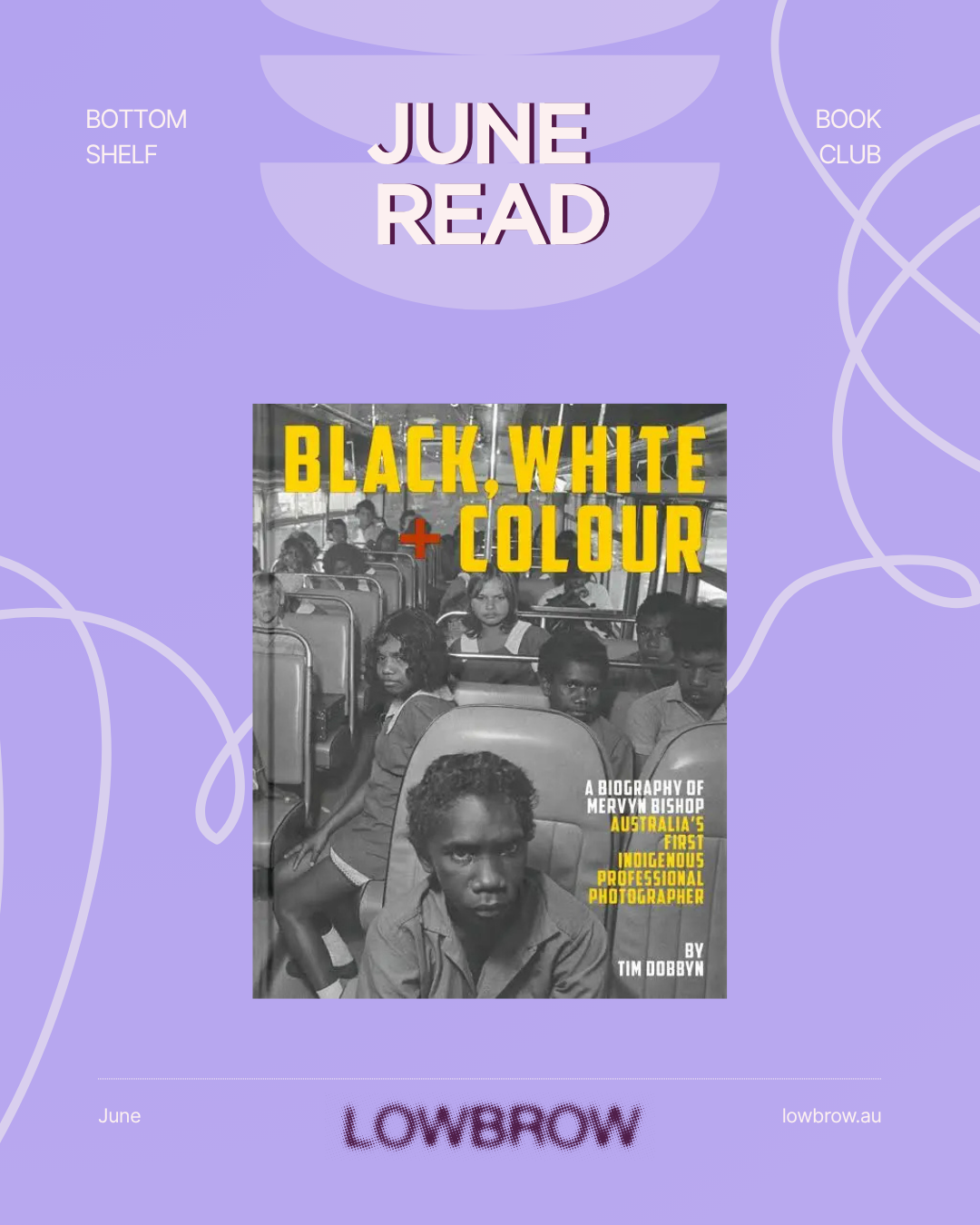
Much in the way there is no truly impartial writer, there is no perfect biography. Black, White and Colour is no exception. A biography of Mervyn Bishop, hailed as Australia’s first Indigenous professional photographer, I found this to read like a story half finished – too short, dancing over the stickier parts of Bishop’s personal life and relationships, not allowing facts and realities to breathe. It’s an issue that rises again and again with biographies written while the subject is still living, and when they have a heavy hand in the shaping of the narrative.
Queer Heirlooms - Queer Love Collective and Unassigned Gallery
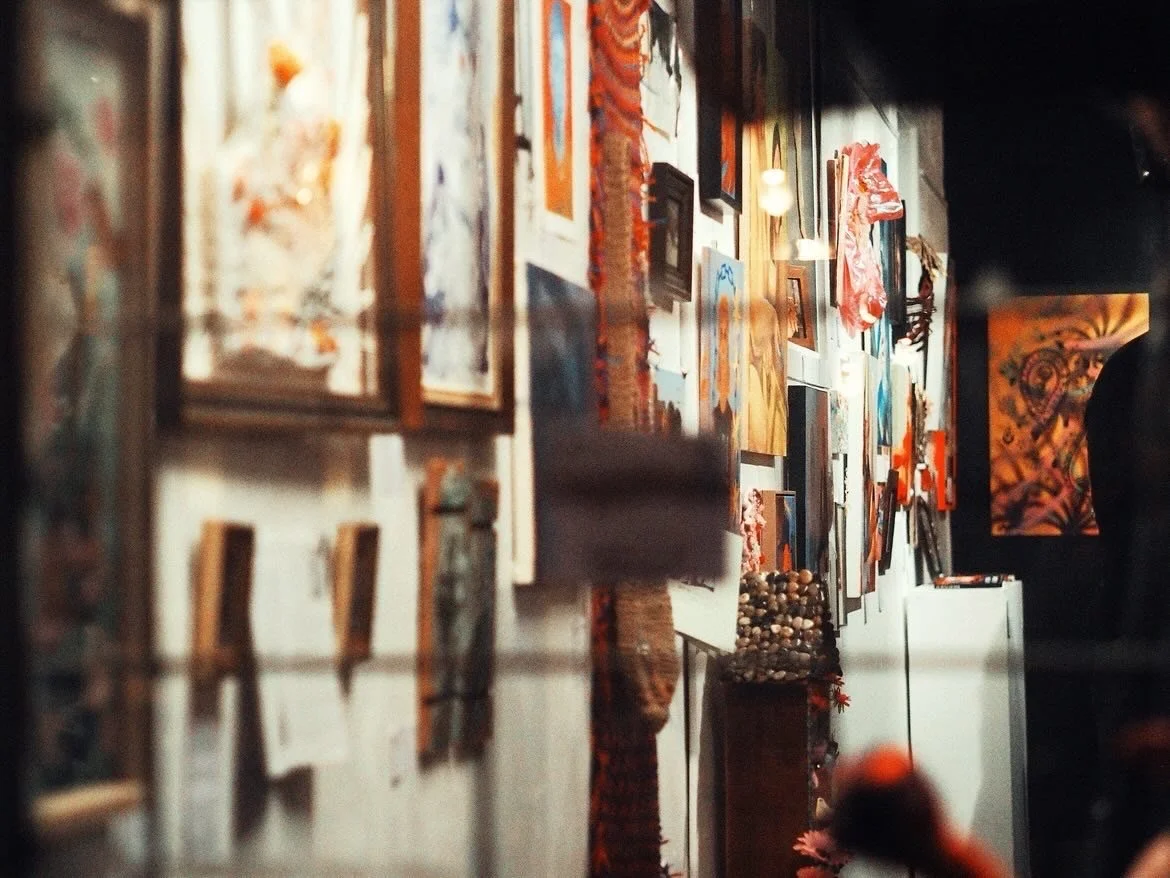
One of three annual fundraising shows, Queer Heirlooms at Unassigned Gallery is also their third annual collaborative exhibition with Queer Love Collective. This year, featuring 100 artists on the dot, the exhibition explores memory and heritage, looking at what meaning we make and how we pass it on. The exhibition spans about every art form you can imagine – including the written word and medieval weapons made out of fabric – contains multitudes in how expansively “heirloom” was interpreted. The more I explored the exhibition, both on opening night and on a more relaxed weekday return, the grouping of works by loose theme seemed to pop out. There were explorations of kink, of queer labelling, sexual exploration, online worlds, fandom, and queer history among many others. In an open call exhibition, the breadth of work and skill is bound to vary, but three categories - photography, fibre arts, and the proliferation of renaissance adjacent imagery - stood out above the crowd.
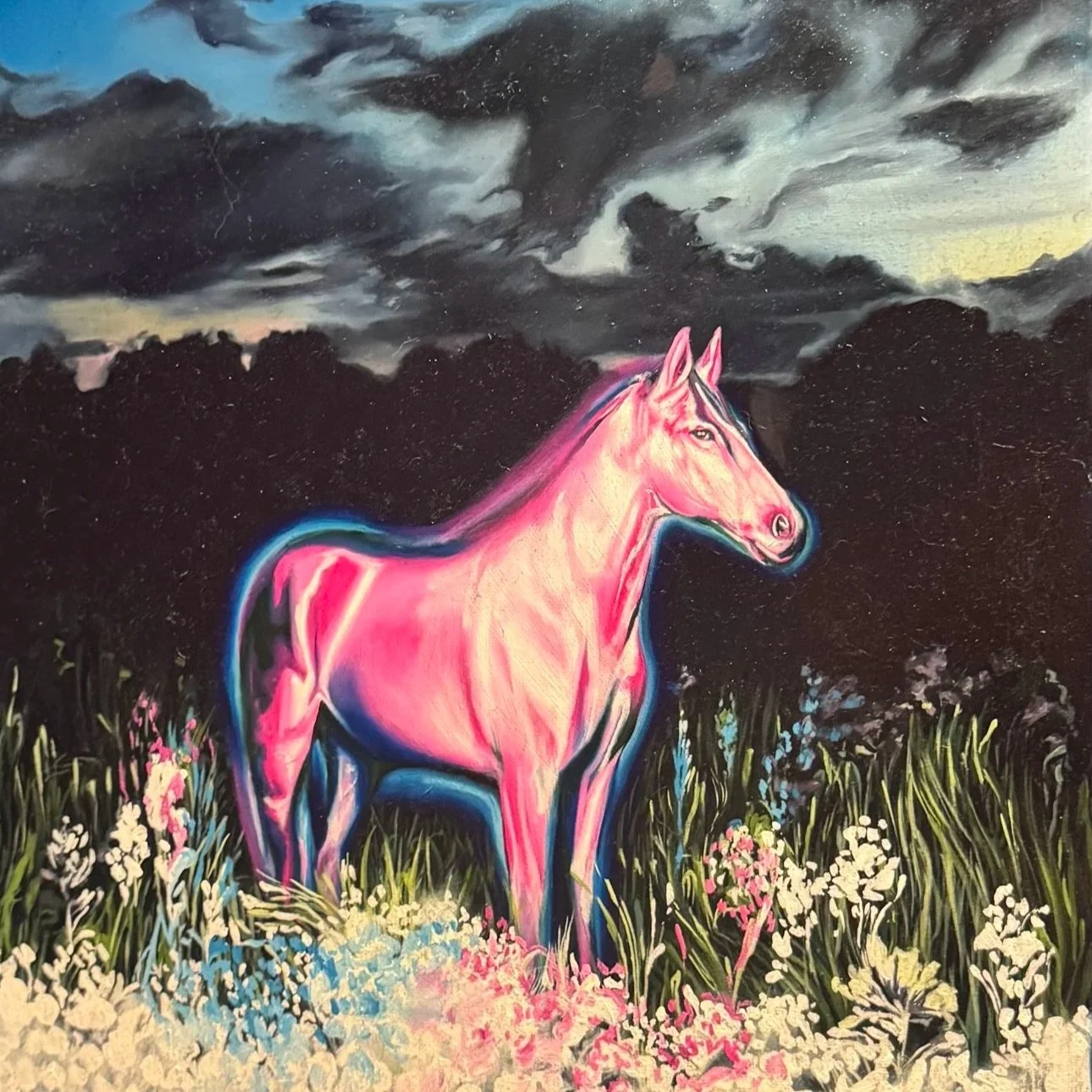
us as stars, as horses - Bus Projects
If you read my writing on Held, Altered at No Vacancy a couple weeks ago, you’ll know I had tried to go to Bus Projects, but the world was truly against me getting there. Maybe I should have taken that as a sign, but alas I tried again this week, and actually managed to make it in to see us as stars, as horses. Featuring work by Sophie Coe, the show is a collaboration with Kamilaroi curator Tabitha Glanville.
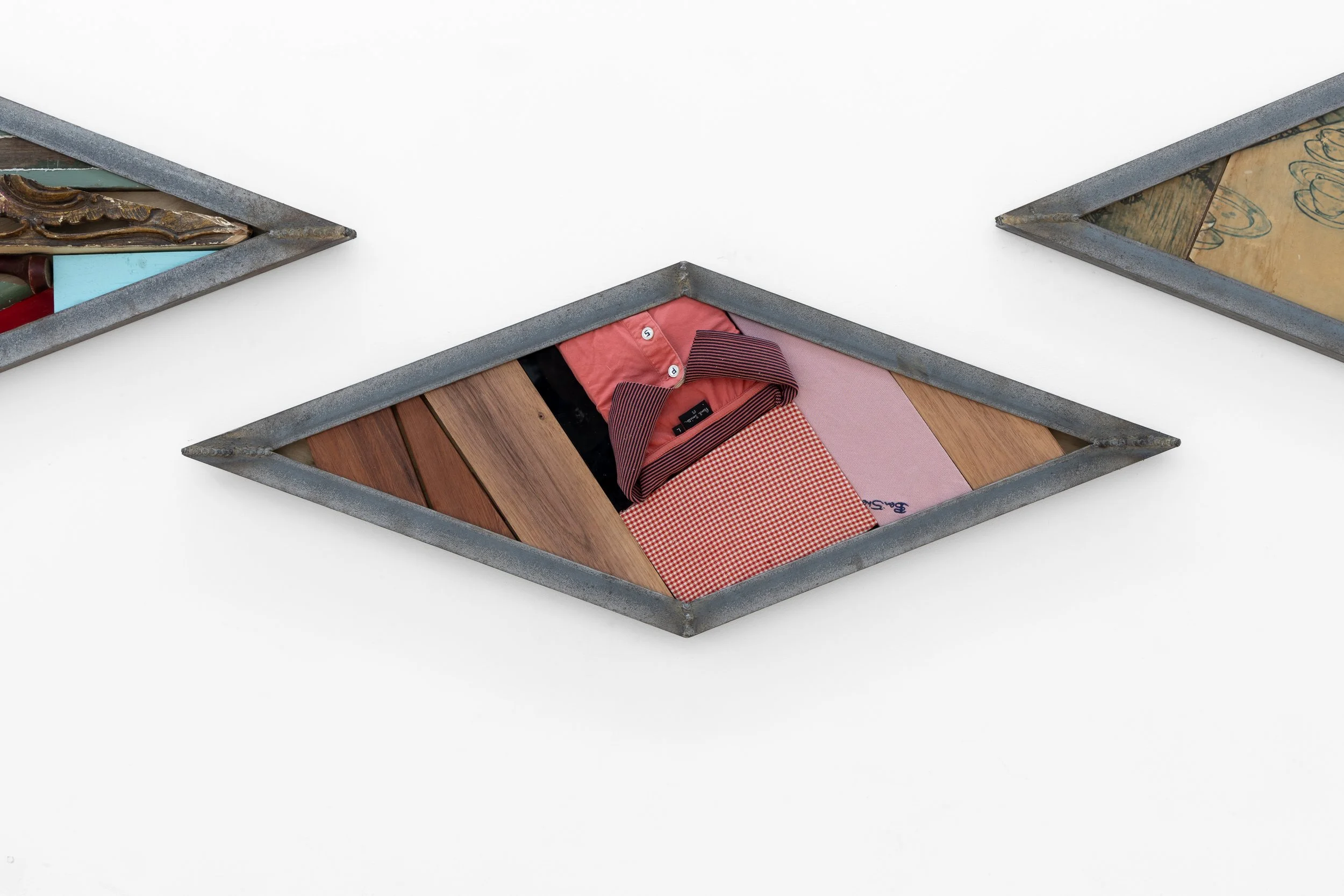
Dinette by Kostas Pavlidis
Found objects, glass in fully saturated colours, and steel frames unite Dinette by Kostas Pavlidis, currently on show at Strawberry Gallery in Brunswick. Though I make a point to go in and see what the gallery has in store for me each time they pop up with something new, this is the first show I have seen from Pavlidis since his inclusion at Strawberry’s Spring1883 showing in 2025. Strawberry feels uniquely apt for this work. Both the show and the gallery seem to be held together by sheer force (the front wall of Strawberry consistently feels like a feat of engineering; Pavlidis’ works held together by welding).
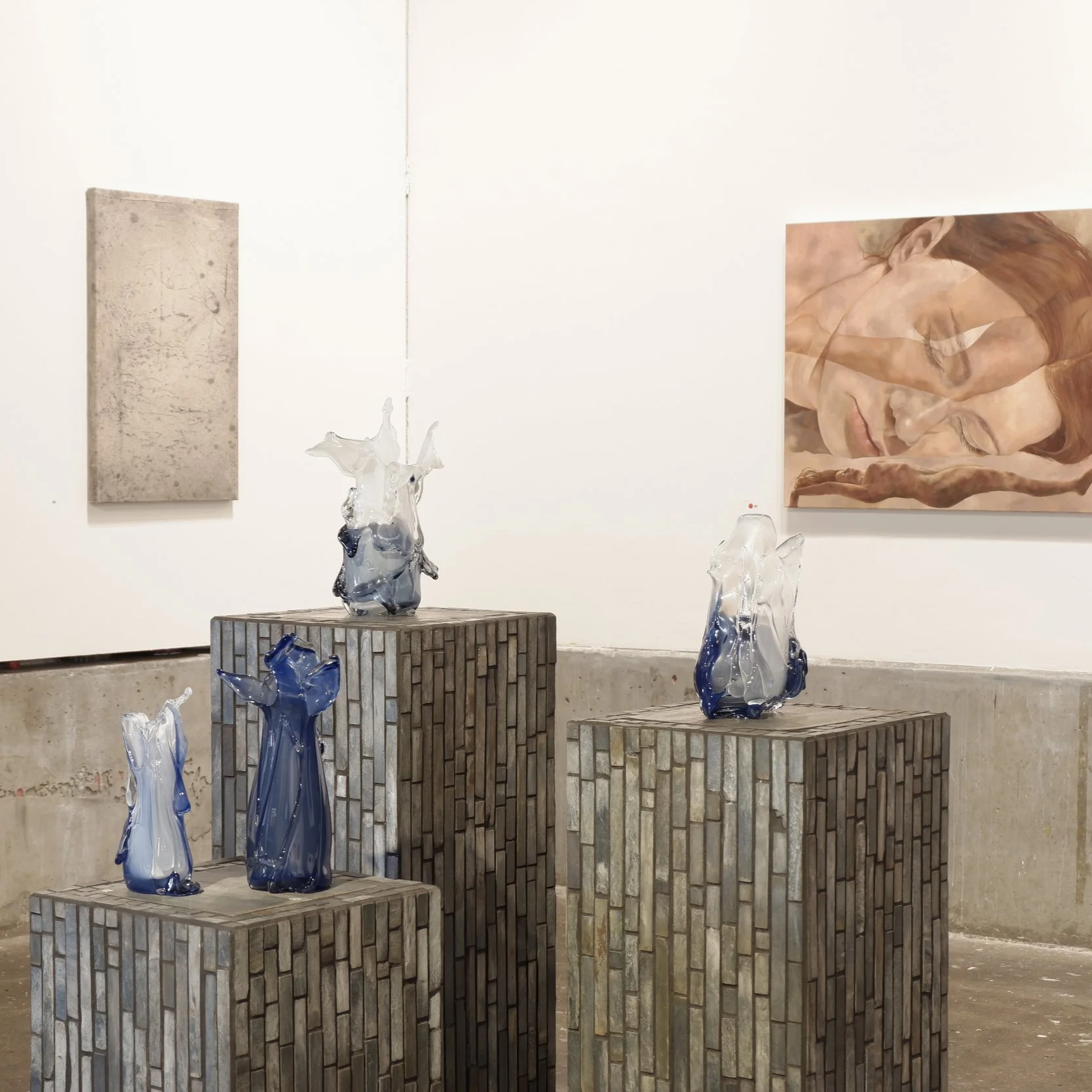
Held, Altered - No Vacancy
So here I am breaking the No Vacancy ban to write about Held, Altered featuring Grace Mitchell, Indya Pearce and Keely Vermalis. And I’m so glad that I’ve ended up here writing about this show, because I’m so pleasantly surprised how well these three artists work together in this space. At first glance, the through line between the work seems precarious. But spending time with the work in the space, I’m convinced. These works speak to each other through memory and time, and it almost feels like I’m walking into a private conversation being held between the artists.
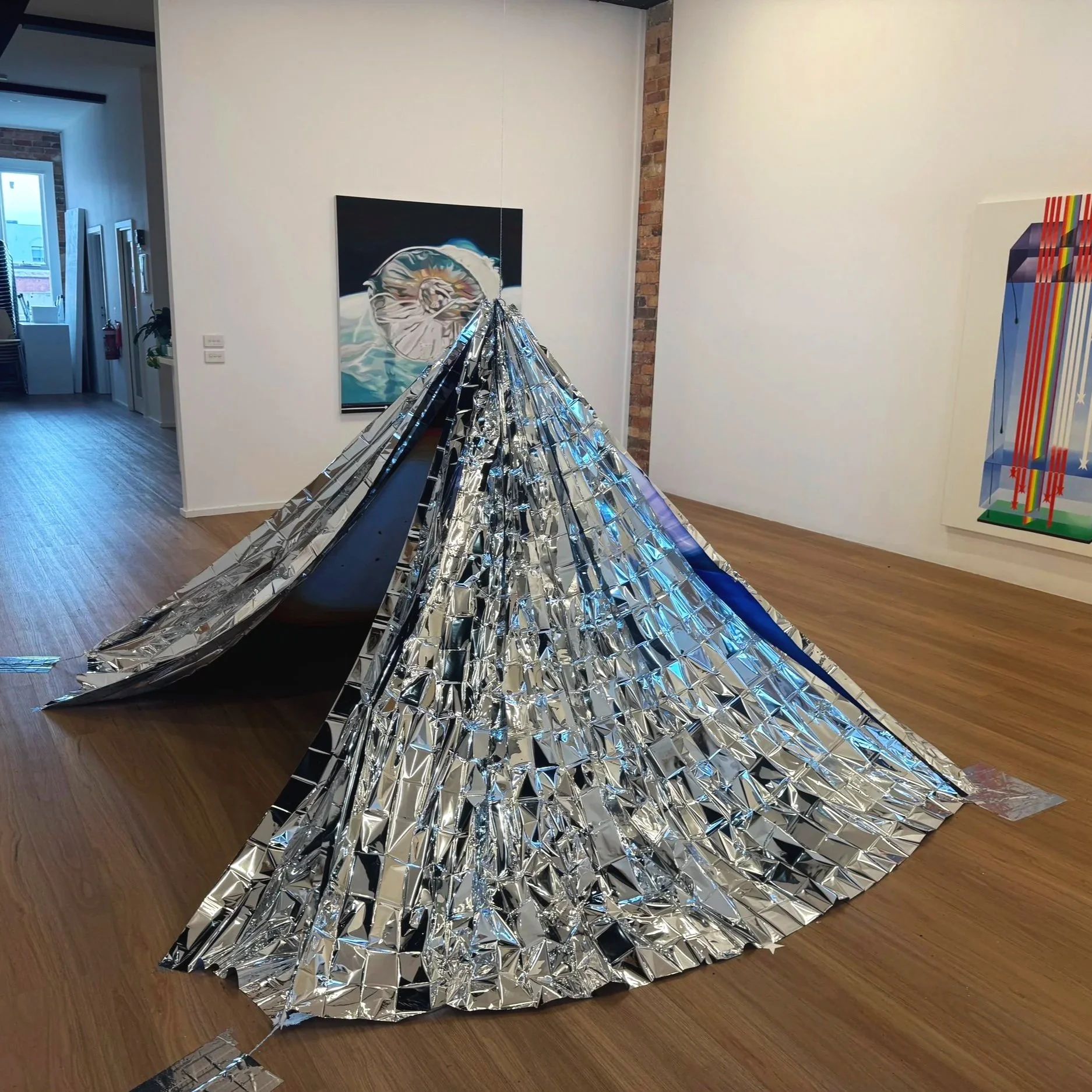
Tent Theory et al. - Trocadero Projects
I haven’t had many reasons to venture out west from my inner north bubble in the years I’ve been living in Melbourne, and I’m well aware of how much of a shame that is – especially as this was my very first time visiting the institution that is Trocadero Projects. There are currently three separate shows filling the gallery space which I had the joy of exploring before buying heading round the corner to pick up the weirdest assortment of groceries from Cheaper Buy Miles; Tent Theory by Hunter Smith, We live by inference from the Saluhan Collective and Discovering human-nature by Lan Anh Truong.
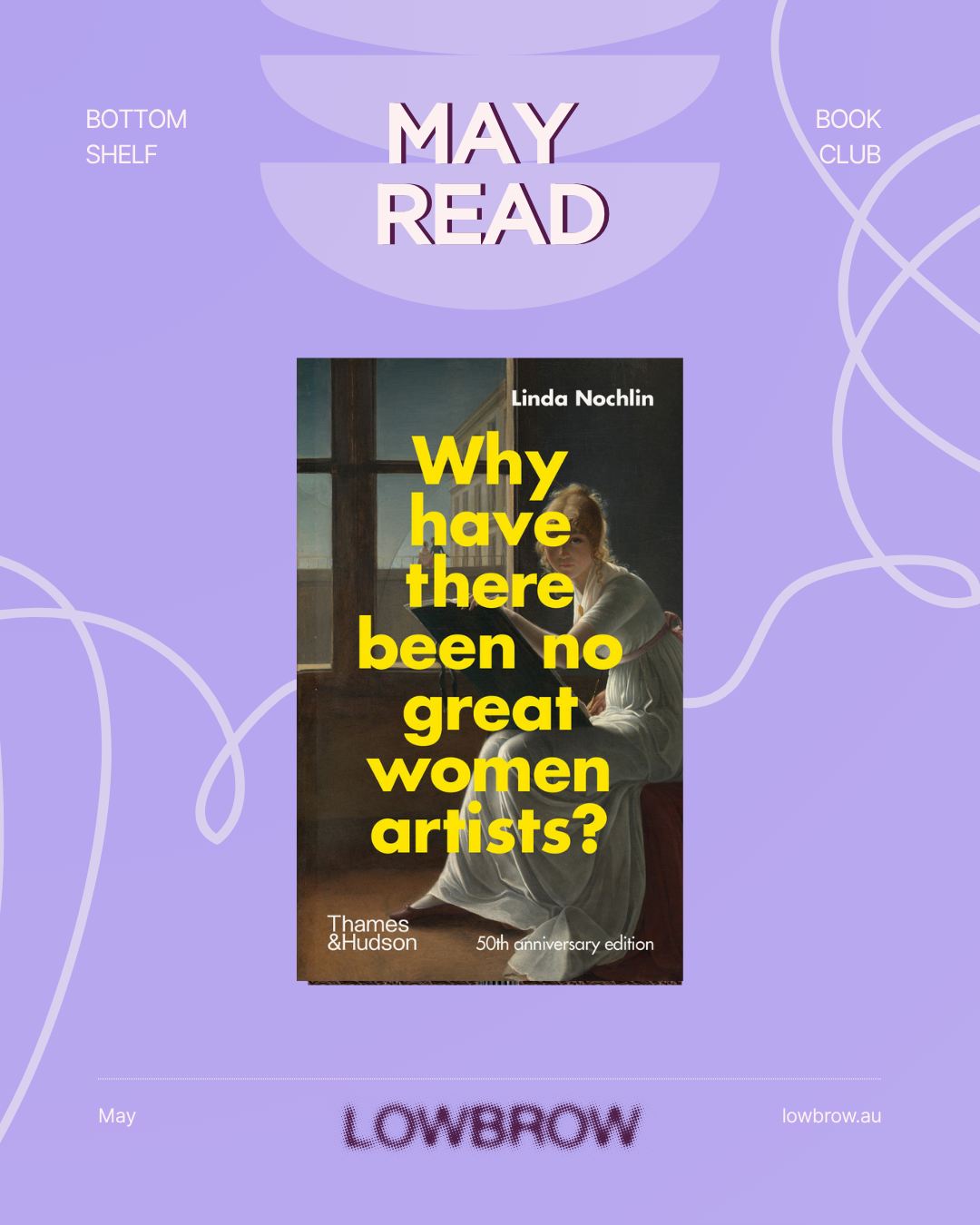
Bottom Shelf: Why Have There Been No Great Women Artists? by Linda Nochlin
Rereading Why Have There Been No Great Women Artists? is an annual experience for me, often precipitated by a friend saying they haven’t yet pulled it up. A foundational text, if not the foundational text of looking at feminism(s) in art history, Why Have There Been No Great Women Artists is an essay that is never far from my mind. From first reading it at 19 in ARTH101 in undergrad, I’ve variously argued for, against, outside of, and in need of redressing, Nochlin’s most famous work. As someone who comes to art through an art historical lens, rather than a hands on practice, I am always surprised with the gap between the theory and the history taught in art schools. I’m not saying this as a blanket statement – obviously everyone is a unique individual – but it is a piece of text that is so ubiquitous when studying art history, I cannot imagine writing about, critiquing, or even considering much of much of the art and exhibitions I see without a thorough knowledge of it in my back pocket.
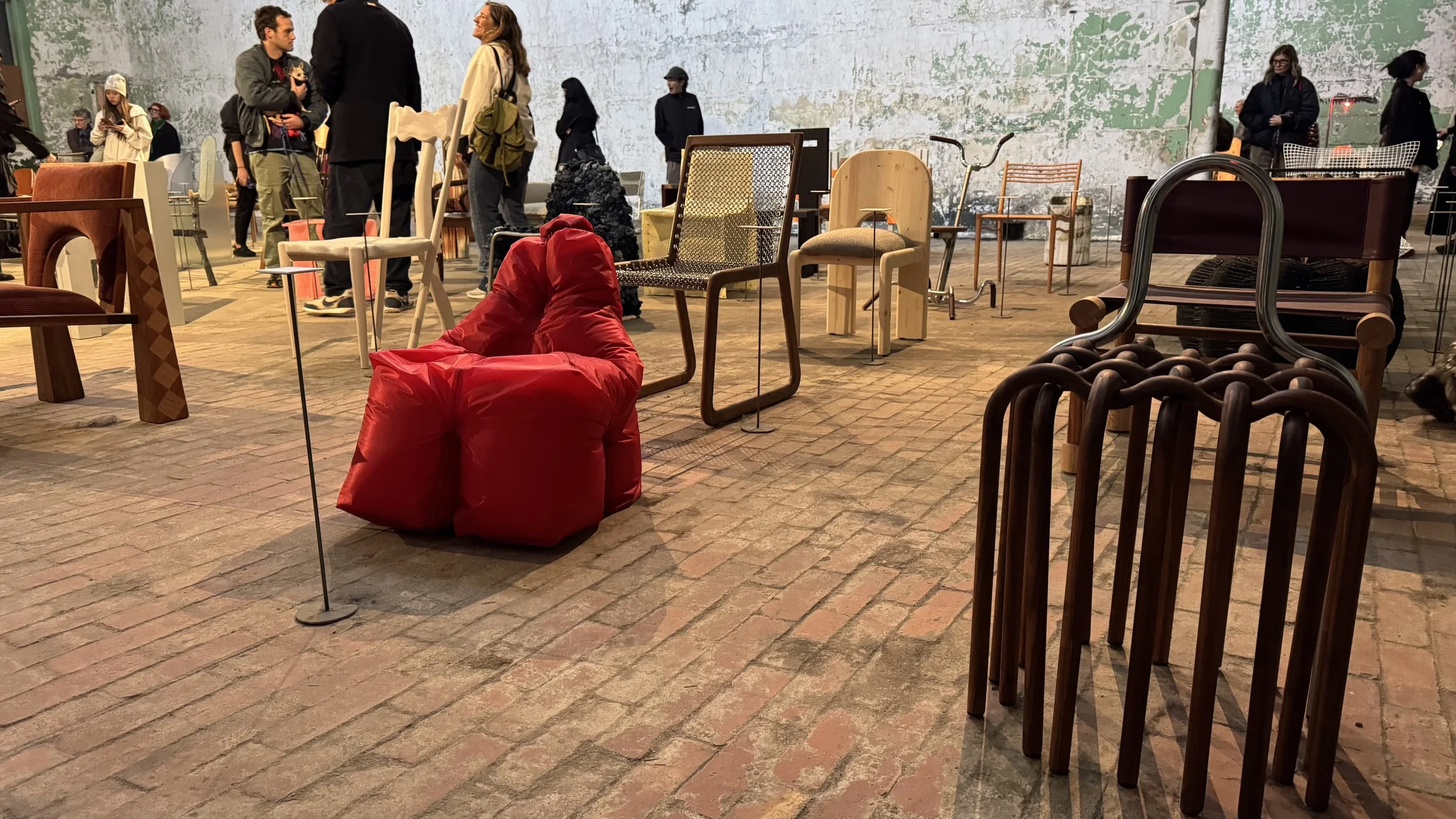
100 Chairs - Friends & Associates
Intended or not, I couldn’t keep the Catholic Church out of my mind at every Design Week event I’ve attended. Between the stained glass ceiling of the NGV’s Great Hall evoking cathedrals, and the inherent, site based religiosity of both Alpha60’s Chapter House playing host to Jon Goulder and the Abbotsford Convent, Christianity was omnipresent in a way that contemporary art and design eschews.

Sign up for emails
Be the first to know about new reviews.