
Inter-narratives of hope - MADA Gallery
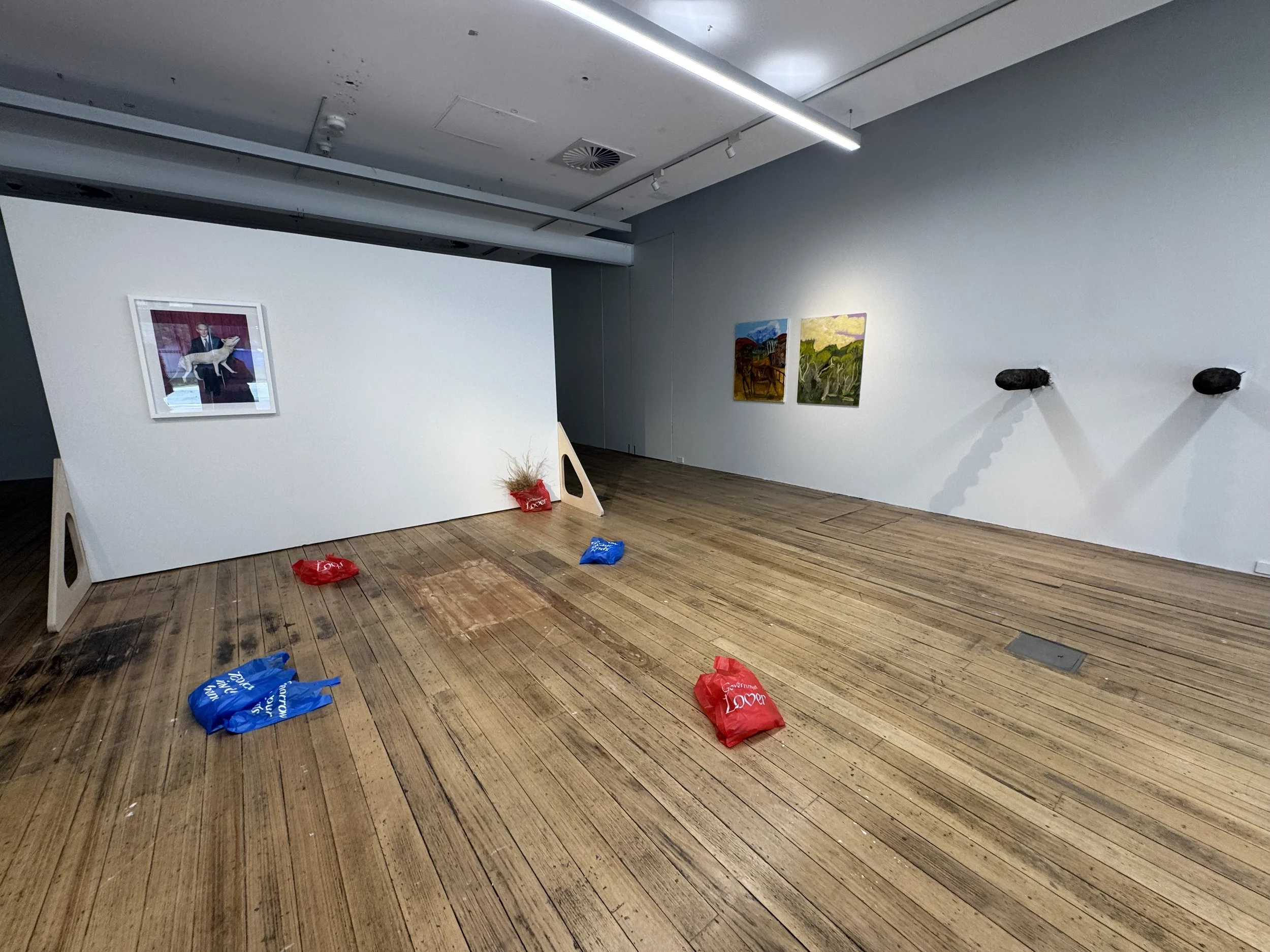
After visiting Inter-narratives of hope: building catastrophe resilience at MADA and before reading the accompanying exhibition I called a friend and had a whinge about this show. I complained that I didn’t see a strong connection between the works on display. I grumbled that the curatorial vision isn’t strong enough if it’s unclear from viewing the show alone, and you shouldn’t have to read an essay to derive meaning from an exhibition. I whinged that the title of the show was an over intellectualisation from PhD candidates (which I still partly stand behind) and inaccessible for the public as a curatorial concept. I’d like to make a correction to what I said to my friend; this is a great show, and made stronger by its accompanying text. I feel blind for not reading it while in the space and for only being able to view the work with this lens in hindsight. To pull a quote from it, “In this exhibition, hope is active because it is foundational. It is the infrastructure of resistance that allows us to act despite the lack of a guaranteed outcome.”
When reflecting on Holly Child’s Blue Marble after consuming the exhibition text, I think about the waygardening and food growing can be an act of resistance, but also an act of necessity amid rising prices in the cost of living crisis. Food has become a showcase of luxury in a time when luxury has become somewhat scarce for the masses. Charlotte wrote about food and its connection to art back in October last year, and we’ve referenced back to this piece of writing multiple times since, as there seems to be no slow in pieces depicting food or shared meals being shown in galleries. Yet, this is the first time I’m seeing an artwork that’s not just about food, but is actual food itself. Admittedly, these small strawberry and blueberry babies won’t do much to actually sustain anyone, but boy oh boy will they be delish when they fruit. I also think it’s ironic to be growing these plants out of season for this exhibition, as they won’t fruit until October-ish at the earliest, again adding to the feeling of food and the ability to grow such sweet fruit as an ornate luxury which much care and time and patience must be invested into.
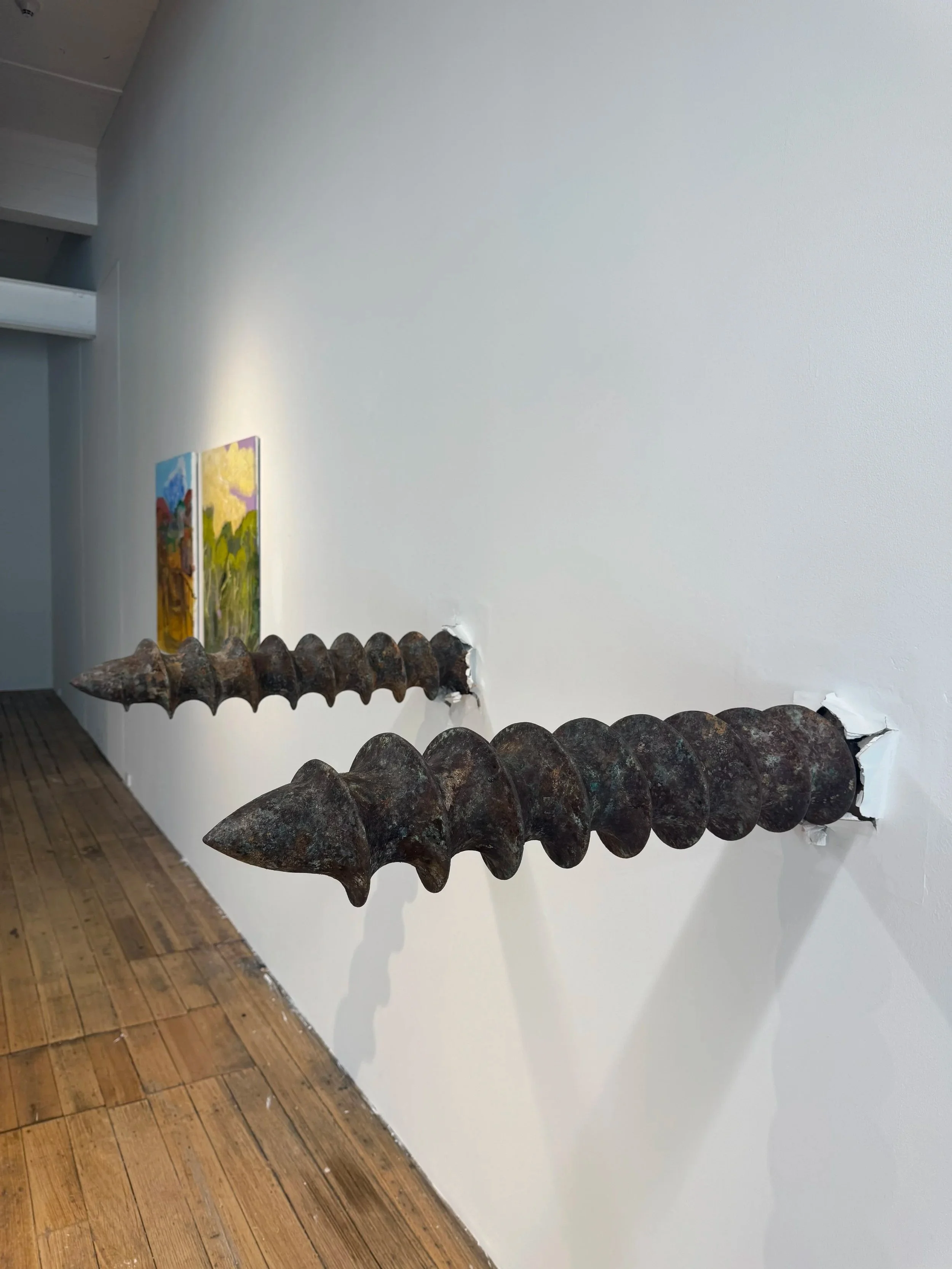
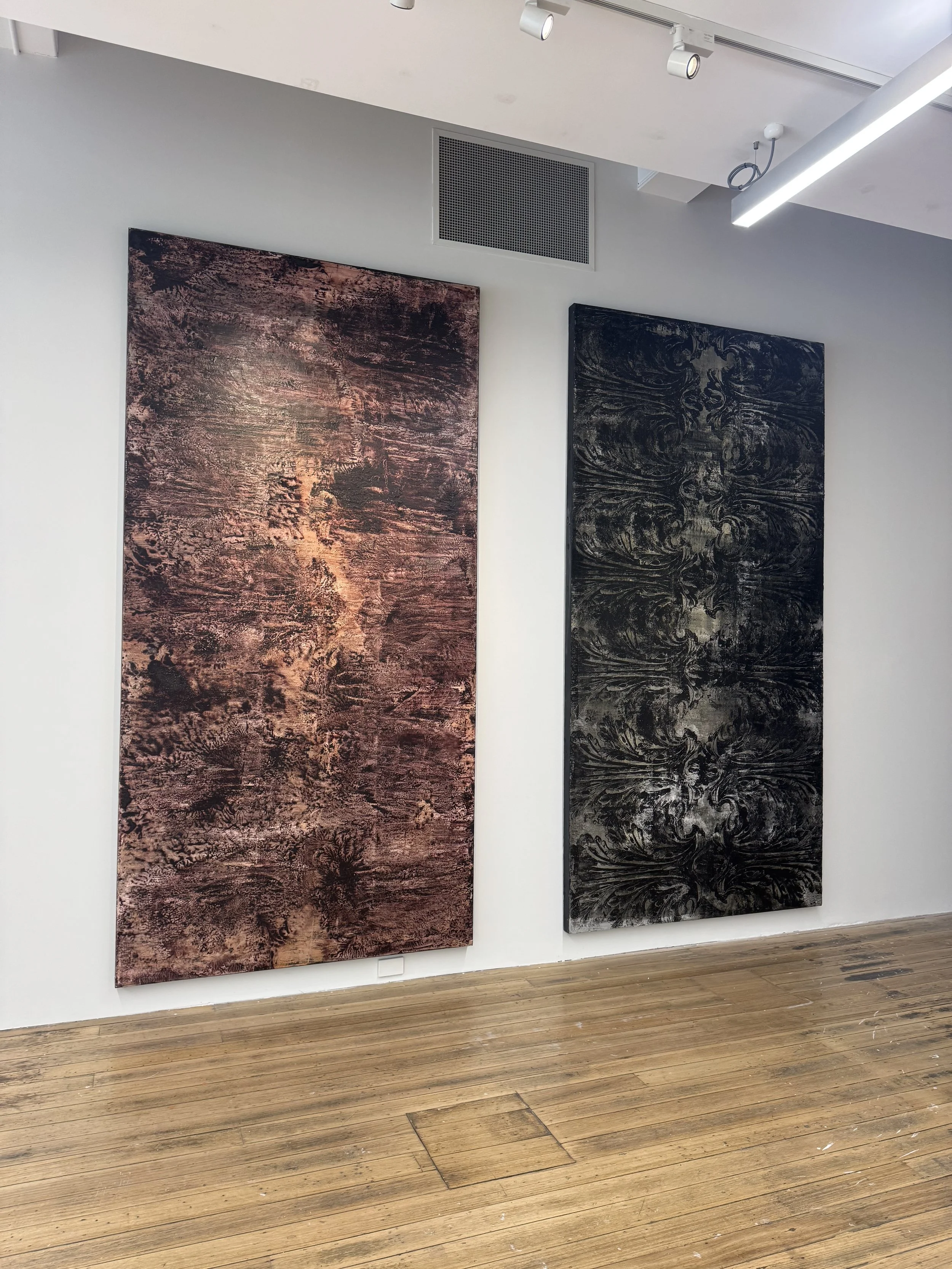
Child’s work is played off against Joshua Petherick’s Condolence (iii) and (iv). The sweet fruit plants on their meandering wall mountings are stopped abruptly by a pair of colossal rusty screws that tear through the plaster on the gallery walls. Invasive, intrusive; their sharp points screaming of harm they have done and could yet still do. You’d need the world’s biggest tetanus shot if you survived getting impaled by one of these. For me, they conjure a picture of the gigantic equipment used in the mines. I can imagine these screws being used to hold together the mammoth buckets used to haul the resources out of the land. This comparison is stark next to Wendy Hubert’s paintings The Station and Colours Bring Peace which celebrate the cultural care and land management the Yinjibarndi have been showing to the West Pilbara region for 60,000 years, a region now well known for its mining industry. Susan Norrie’s textural oil paintings are on the other side of the gallery, but their slick surfaces also remind me of the resources we ravage the land for and make me think of oil spills and their environmental impact.
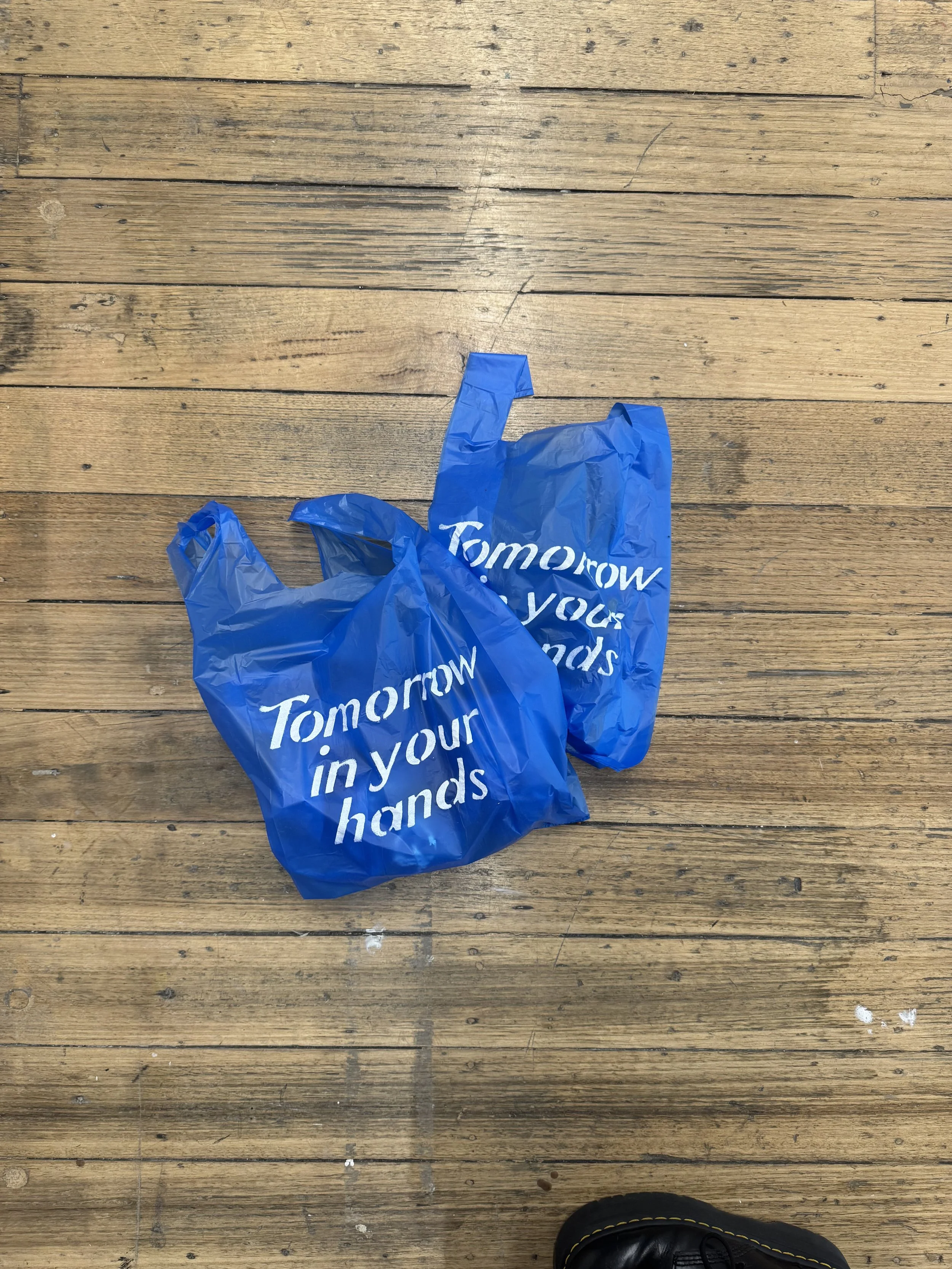
I don’t even have time to talk about Rory Pilgrim’s plastic bags on display under Polly Borland’s portrait of Sir Robert May (holding a taxidermied Tasmanian tiger!) because we’re trying to keep reviews shorter and snappier (but mostly because I need to finish writing this review and go to bed). But I recommend you head to MADA to check out the show, AND read the accompanying exhibition text by the curators, and essay by Audrey Jo Pfister, while in the space. I’m going to leave you with the last line of the exhibition text accompaniment which I was so harsh on before reading, but truly does tie this exhibition together in a hopeful look towards the future; “We are moving away from the alienated ‘Contemporary Art’ machine and toward a practice of inter-narrative kinship, where producing and making is not an act of exploitation, but a shared site of sanctuary and resistance.”
Inter-narratives of hope: building catastrophe resilience is on at MADA Gallery until May 10th.